
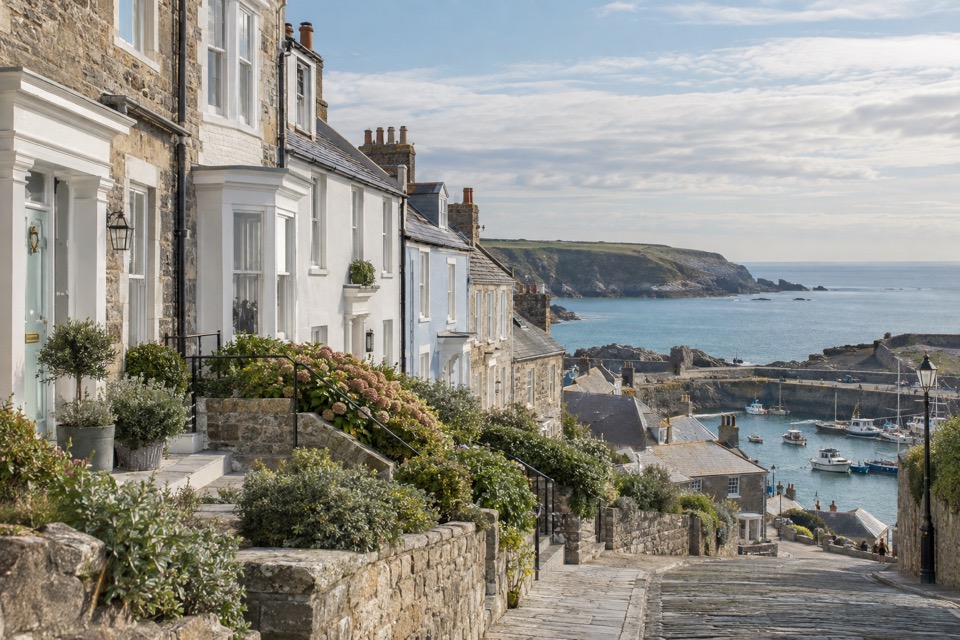
What sea air does to a house
Salt air, wind and driving rain age a house quickly. Look at windows, render, roofs, gutters, timber and any flat roofs on seafront and exposed elevations. Ask when they were last replaced and budget for doing it sooner than you would inland. A fresh coat of paint tells you little about the condition underneath, so ask for the history and let a surveyor inspect it.
Flood and erosion
Check the Environment Agency flood maps for both river and sea flooding, and look at the coastal erosion projections for the stretch of coast in question. Insurance can be difficult or expensive in some spots, and it is worth getting a quote before you exchange rather than after.
Seasons and neighbours
Some coastal streets have a high proportion of holiday lets and second homes. That can mean quiet winters and busy, noisy summers, and it changes the character of a community. Visit in both seasons if you can, and ask the agent and the neighbours directly.
Parking and access
Beach parking pressure in summer affects streets some distance from the sea. Check whether there is off street parking, whether there are residents' permits, and what the street is like on a warm Sunday.
Conservation and planning
Much of Tynemouth, Cullercoats, Alnmouth, Warkworth and the Northumberland coastal villages sits within conservation areas, and many houses are listed. That affects windows, doors, extensions and sometimes even paint colours. Understand the constraints before you plan the works.
Value and competition
Popular coastal homes can attract strong interest. Compare the asking price with relevant sales, allow for maintenance and decide on your limit before you offer. We can help you gather that evidence and act when a suitable home comes up.